
Arts
Czech conductor Petr Popelka leads Cleveland Orchestra in triumphant return
By Rodney Ellis
Advertisement · Why this ad?
Rodney has spent over eight years reporting on Cleveland’s professional and amateur sports scenes, with a background in sports broadcasting from Bowling Green State University. He has contributed to ESPN Radio and other local stations, where his vibrant coverage has garnered a loyal following.
More from Rodney →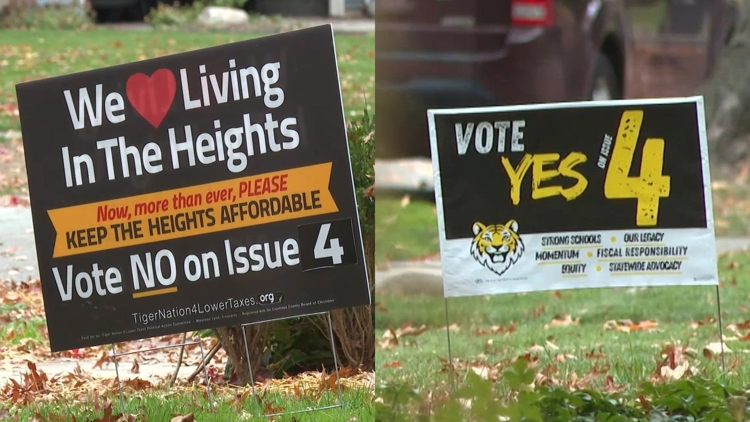
As the sun sets over Cleveland Heights, the community buzzes with anticipation and concern. Parents gather at the local coffee shop, anxiously discussing the upcoming school levy that could change the educational landscape for their children. It’s not just about dollars and cents; it’s about the future of their kids, the quality of education, and the very fabric of their community. The Cleveland Heights-University Heights school district is seeking a hefty $11.1 million to bolster its budget, but not everyone is on board with the plan.
The Cleveland Heights-University Heights School District is facing a critical juncture. On the one hand, the district argues that the proposed levy is essential for maintaining educational standards and supporting vital programs. With budget cuts already in place, they insist that additional revenue is necessary to avoid further reductions that could impact student learning.
However, the push for the levy has not come without its detractors. Opponents are calling for a state performance audit before any additional taxpayer money is allocated. They argue that the district should demonstrate fiscal responsibility and efficiency in its current operations before asking residents to dig deeper into their pockets. This clash of perspectives has ignited a passionate debate within the community, pitting parents against each other and raising questions about the district's financial management.
The Cleveland Heights-University Heights school district has seen its fair share of financial struggles in recent years. With dwindling state funding and increasing operational costs, the district finds itself in a precarious position. According to district officials, the proposed $11.1 million levy would provide much-needed resources for essential programs, including teacher salaries, classroom materials, and extracurricular activities.
Yet, the opponents' concerns are not without merit. They point to the need for transparency and accountability in how the district allocates its current resources. A performance audit could shed light on potential inefficiencies and help ensure that any new funds are used wisely. As the community grapples with these issues, the stakes have never been higher for the future of education in Cleveland Heights.
Residents are torn. On one hand, many parents are staunch supporters of the levy, believing it to be an investment in their children's future. "Our kids deserve the best education we can provide," says local parent Sarah Thompson. "If we don’t support this levy, we risk losing valuable programs that enrich their learning experience."
On the flip side, there are those who feel that the district needs to take a hard look at its spending practices before asking for more money. Community member John Harris stated, "I want to support our schools, but we need to ensure that every dollar is being spent wisely. A performance audit could help us understand where improvements can be made. We owe it to our children to be responsible with our resources."
Teachers and school staff are also weighing in on the debate. Many educators are advocating for the levy, emphasizing the importance of adequate funding for classroom resources. "Without sufficient funding, we struggle to provide the quality education our students deserve," says veteran teacher Lisa Martinez. "We need these funds to keep our programs running and to support our students' diverse needs."
Conversely, some teachers echo the sentiments of the opponents, calling for a thorough review of the district's financial practices. "We want to ensure that any new funding is used effectively and efficiently. A performance audit would provide clarity and help us move forward together as a community," notes another educator who wishes to remain anonymous.
The proposed levy holds significant implications for various stakeholders within the Cleveland Heights-University Heights community. If passed, the funds would not only help maintain existing programs but could also facilitate the introduction of new initiatives aimed at enhancing student engagement and achievement. For instance, the district has expressed interest in expanding its STEM (Science, Technology, Engineering, and Mathematics) programs, which have shown to be vital in preparing students for future careers.
Moreover, the funds could support mental health services, which have become increasingly important in the wake of the COVID-19 pandemic. Many students are facing unprecedented challenges, and adequate funding could ensure that counselors and support staff are available to help them navigate these difficulties. Community members like Emily Johnson, a local mental health advocate, emphasize the need for such resources: "Investing in our children's mental health is just as important as investing in their education. We cannot overlook the emotional well-being of our students."
As the levy vote approaches, the Cleveland Heights-University Heights school district is making concerted efforts to engage the community in meaningful dialogue. The district has organized several town hall meetings to allow residents to voice their opinions and ask questions regarding the levy. These forums have been well-attended, with passionate discussions taking place among parents, teachers, and community members.
Local organizations, such as the Cleveland Heights Chamber of Commerce, have also stepped in to facilitate discussions, aiming to bridge the gap between supporters and opponents of the levy. Chamber President Mark Stevens remarked, "It’s crucial for our community to come together and discuss these issues openly. Education is the backbone of our community, and we must ensure that we are all on the same page moving forward."
As the levy vote approaches, the Cleveland Heights-University Heights school district faces a critical moment in its history. The outcome will not only impact the immediate future of the schools but also set a precedent for how the district engages with the community in matters of financial accountability.
In the coming weeks, district officials will be working diligently to communicate the importance of the levy to the community while also addressing the concerns raised by opponents. It’s a delicate balancing act, one that requires transparency, trust, and a commitment to the students' best interests.
Residents are encouraged to participate in upcoming community forums and discussions to voice their opinions and gather more information. The district is committed to fostering an open dialogue with parents, educators, and community members to ensure that everyone has a chance to weigh in on this pivotal issue.
As Cleveland Heights looks ahead, one thing is clear: the future of education in the community hinges on collaboration and a shared vision for what is best for the children. Whether through supporting the levy or advocating for a performance audit, the community's engagement will be crucial in shaping the educational landscape for generations to come.
In conclusion, the decision regarding the levy is not just about finances; it is about the values that the Cleveland Heights-University Heights community holds dear. It reflects a commitment to education, a desire for accountability, and a hope for a brighter future for its children. As the community navigates these complex issues, one can only hope that they find common ground and work together for the betterment of their schools and, ultimately, their kids.
By Rodney Ellis

By Tom Langston

By Ethan Kelly

By Tom Langston