
Community
Cleveland man pleads no contest to shooting Uber driver, stealing vehicle
By Michelle Rivera
Advertisement · Why this ad?
Michelle, an Ohio State University graduate, has spent over six years focusing on community issues in Cleveland, including social justice and local initiatives. She has previously written for NPR's local affiliates, where she honed her storytelling skills to highlight diverse community voices.
More from Michelle →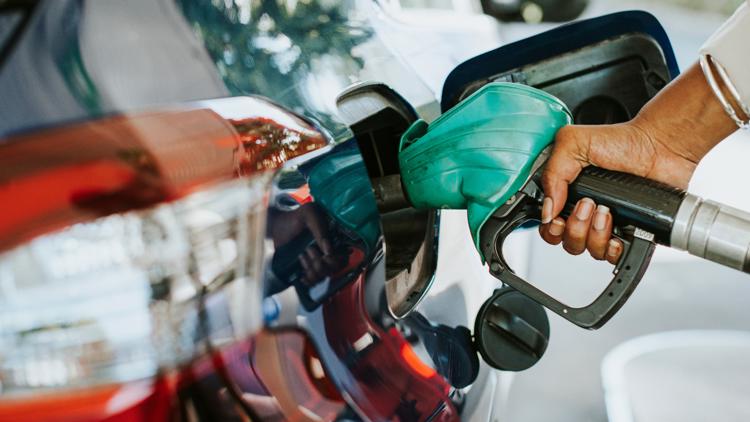
As the sun rose over Cleveland, families began their morning routines, many of them glancing at the gas prices that have recently seen a welcome decline. For the first time in weeks, drivers in Northeast Ohio can breathe a little easier as they fill their tanks, with prices dropping 28 cents in Akron and 23 cents in Cleveland. This small relief comes as a much-needed reprieve for households grappling with rising costs everywhere from groceries to utilities.
According to reports from GasBuddy, the average price for gasoline in Akron now sits at just over $4 per gallon, while Cleveland follows closely behind. While this drop is certainly a positive development, it’s important to note that prices are still higher than many residents would like. The fluctuations in gas prices have been a source of concern for families trying to manage their budgets amidst the ongoing economic challenges.
Gas prices have been a hot topic across the nation, reflecting broader trends in the global oil market. As supply and demand fluctuate, so too do the prices at the pump. In recent weeks, many consumers have felt the pinch of rising prices, which can impact everything from daily commutes to family vacations. The decrease in prices in Northeast Ohio, while appreciated, still leaves many wondering what the future holds. The region has been particularly sensitive to gas price changes due to its reliance on commuting for work and school, as well as the economic ripple effects on local businesses.
The reaction from the community has been mixed. While many residents express relief at the decrease, others are cautious, remembering how quickly prices can rise again. “Every little bit helps,” said Lisa Thompson, a mother of two from Akron. “But I still feel nervous every time I pull up to the pump. It’s like a game of chance.”
Families like the Thompsons are not alone in their concerns. Many are adjusting their habits, combining errands to save on gas or opting for public transportation when possible. Community members are coming together, sharing tips on how to save money, and even organizing carpool groups to help mitigate the costs of commuting. Local social media groups have seen an uptick in discussions around fuel-efficient driving tips and carpooling arrangements, highlighting the community's proactive approach to managing expenses. The Akron and Cleveland area has a rich history of community support, and this moment is no different, as residents band together to find solutions that work for their families.
The impact of gas prices extends far beyond the pump. For many families, the cost of fuel affects their ability to participate in community activities, such as attending local events or visiting family. “When gas prices go up, we have to make tough choices,” said Mark Johnson, a local business owner. “It can mean skipping a family gathering or not going out to support our local sports teams.”
As families navigate these challenges, local businesses are also feeling the effects. With consumers tightening their belts, many shops and restaurants are reporting a dip in sales. “We rely on foot traffic, and when people are worried about gas prices, they tend to stay home,” Johnson added. This has led some local eateries to implement special promotions or discounts to draw in customers, hoping to offset the impact of rising fuel costs on their business. Local favorites like the West Side Market and various food trucks have started offering “fuel saver” deals, enticing families to dine out while keeping their budgets in check.
The ripple effect of gas prices also extends to essential services. For example, delivery services and ride-sharing apps have seen fluctuations in demand as consumers reassess their transportation options. “Our drivers are feeling the pinch too,” stated Sarah Martinez, a local Uber driver. “When gas prices rise, I have to think twice about whether it’s worth it to drive during peak hours.” This situation has led to discussions in the local ride-sharing community about potential strategies to cope, including shared rides and adjusting service areas to better serve those in need while minimizing costs.
Looking ahead, many are hopeful that the downward trend in gas prices will continue. Experts suggest that as we move into the fall months, demand may decrease, leading to further price reductions. However, the unpredictability of the market means that consumers must remain vigilant. The community is encouraged to stay informed about market trends and participate in local discussions about energy efficiency and alternative transportation options.
Local leaders are also keeping a close eye on the situation, understanding that gas prices can significantly impact economic stability in the region. “We’re committed to supporting our community through these challenges,” said Mayor Justin Bibb of Cleveland. “We’re looking at ways to provide resources and support for families who are feeling the strain.” City officials are exploring initiatives aimed at improving public transportation options to alleviate some of the burden on residents reliant on their vehicles. There is also talk of advocating for more bike lanes and pedestrian-friendly areas, encouraging residents to explore alternative modes of transportation.
In response to the rising costs of living, various organizations are stepping up to offer assistance. Community centers and local nonprofits are providing resources to help families manage their budgets and find relief from rising costs. Programs like the Cleveland Food Bank and United Way are just a couple of organizations working tirelessly to support families in need.
Additionally, local schools are providing resources for families, including workshops on budgeting and financial planning. These initiatives aim to empower residents to make informed decisions in light of fluctuating prices. “We want to ensure that our families have the tools they need to thrive, even in tough times,” said a representative from the Cleveland Metropolitan School District. Parents are encouraged to participate in these workshops, which not only offer practical advice but also foster a supportive environment for sharing experiences and strategies.
Moreover, local churches and community organizations are hosting events focused on financial literacy, helping families navigate budgeting strategies and the intricacies of managing household expenses. These gatherings not only provide valuable information but also foster a sense of community and support among residents. The collaborative spirit of these events highlights the importance of solidarity during challenging times, as community members share personal stories and resources to uplift one another.
The drop in gas prices is a glimmer of hope for many families in Northeast Ohio, but it is only one piece of the puzzle. As the community navigates these uncertain times, the resilience and strength of family ties are more important than ever. By coming together, sharing resources, and supporting one another, residents can weather the storm of rising costs.
As we look to the future, let us remain hopeful and proactive, seeking solutions that not only address immediate concerns but also build a stronger, more united community for generations to come. The American dream of stability and prosperity is alive and well in Cleveland, and together, we can continue to strive for a brighter tomorrow. The collective efforts of families, local businesses, and community organizations will be essential in shaping a resilient future for the region, ensuring that no family feels alone in their struggle.
By Michelle Rivera

By Michelle Rivera

By Michelle Rivera

By Michelle Rivera